The Porsche Wave: The Unwritten Rules of the Porsche Community
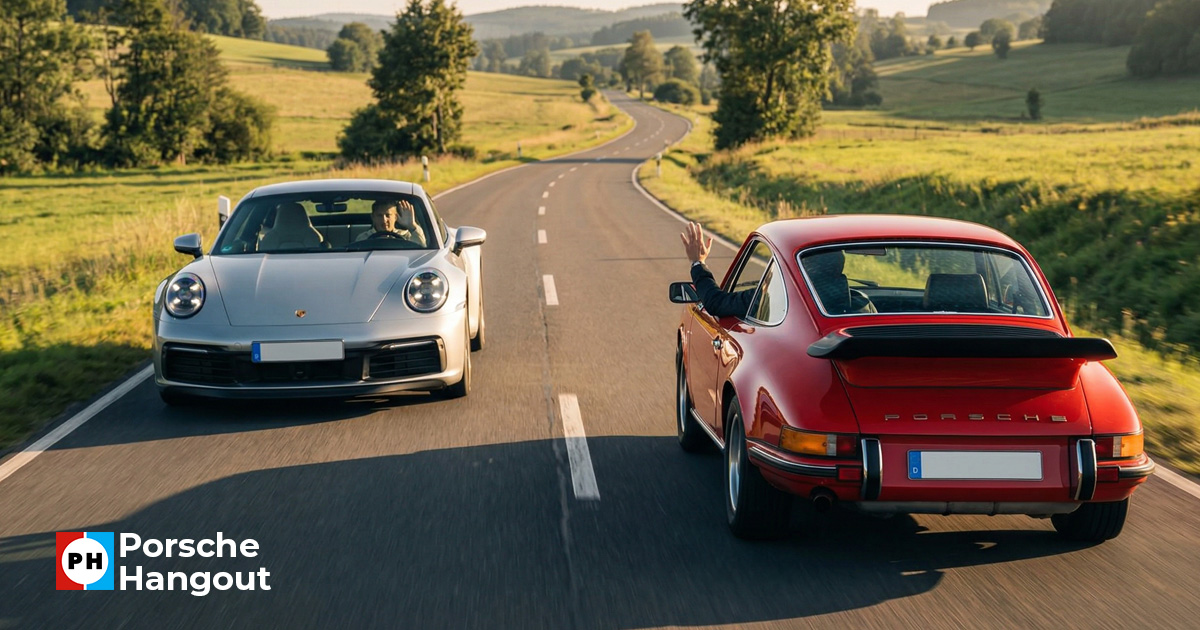
If you’ve ever driven a Porsche past another Porsche and received a subtle hand raise from the other driver, you’ve experienced the Porsche Wave. If you’ve ever given one and been completely ignored, welcome to one of the most debated topics in the entire Porsche community.
The Porsche Wave is more than a hand gesture. It’s a social contract, a cultural barometer, and depending on who you ask, a dying tradition or a sacred ritual. It reveals everything about where the Porsche community has been, where it’s going, and the unspoken rules that hold it all together.
A Brief History of the Wave
The Porsche Wave dates back to the days when seeing another Porsche on the road was genuinely unusual. In the 1960s and 70s, spotting a 911 meant spotting a kindred spirit – someone who chose a rear-engined, air-cooled sports car from a relatively obscure German manufacturer over the safe choice of a Corvette or Jaguar. You waved because you recognised your own kind. It was an acknowledgment that said: “You get it. I get it. We’re in this together.”
The Porsche Club of America, founded in 1955 by a single enthusiast, formalised this sense of community. It grew into the largest single-marque car club in the world – over 165,000 members across 149 regions, running more than 4,000 events a year. The unofficial PCA motto captures it perfectly: “You come for the cars, and stay for the people.”
The wave was part of that fabric. Membership in an unspoken club.
The Wave Itself: How It’s Done
There is no official Porsche Wave training manual, but after decades of practice, the community has more or less settled on acceptable forms:
The Classic Lift: One hand rises briefly from the steering wheel – usually the left hand, two to four fingers extended, a controlled motion that says “I see you” without requiring eye contact. This is the gold standard. Dignified. Understated. Very Porsche.
The Nod: A slight downward tilt of the head, often from behind sunglasses. Popular among 911 GT3 drivers and anyone who considers lifting a hand from a leather steering wheel to be excessive effort.
The Flash: A quick blink of the headlights. More common in Europe, particularly on country roads where you might pass another Porsche at speed. In the United States, this can be confused with warning someone about a speed trap, which adds an unintentional layer of community service.
The Thumbs Up: Reserved for when you see something truly special – a Singer restoration, an air-cooled RS, a GT2 RS in traffic. The thumbs up says “I’m not just acknowledging you, I’m acknowledging that.”
The Full Window Wave: Arm out the window, enthusiastic, possibly accompanied by pointing at the other car. This is mainly performed by people who just bought their first Porsche within the last 72 hours. The enthusiasm is genuine and should be respected, even if it makes seasoned owners slightly uncomfortable.
The Unwritten Rules
This is where it gets complicated. The Porsche community has developed an elaborate, unspoken hierarchy around the wave, and violating these rules won’t get you banned from anything – but it will get you discussed in forum threads.
Rule 1: Sports cars wave to sports cars.
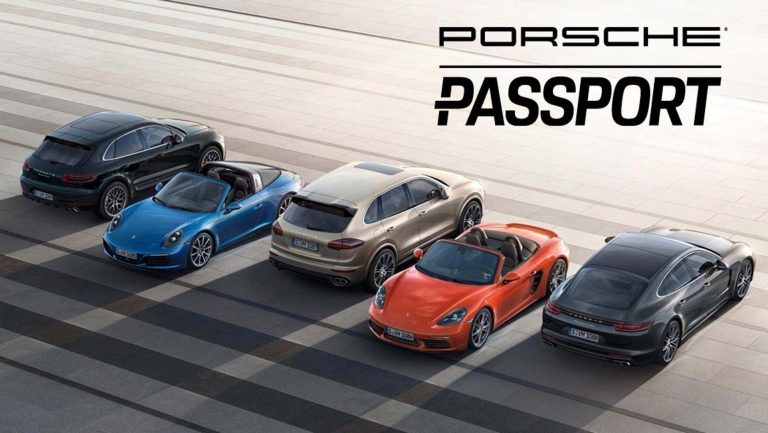
911 drivers wave to 911 drivers. Boxster and Cayman (718) drivers wave to each other and to 911s. This is the core of the tradition – two-door, rear or mid-engine Porsche drivers acknowledging a shared experience. This rule is almost universally observed and rarely controversial.
Rule 2: The SUV question.
This is where it gets heated. Do Cayenne and Macan drivers get the wave? The community is genuinely divided. Purists argue that an SUV, regardless of the badge on the hood, is not a sports car and therefore not part of the tradition. Pragmatists point out that Cayenne sales literally saved Porsche from bankruptcy in the early 2000s, and excluding them is both ungrateful and snobbish.
In practice: most 911 drivers don’t wave at Cayennes. Most Cayenne drivers don’t expect them to. Most Macan drivers didn’t know the wave existed. This is fine. Everyone is fine with this. Except on the forums, where it generates 47-page threads approximately once a month.
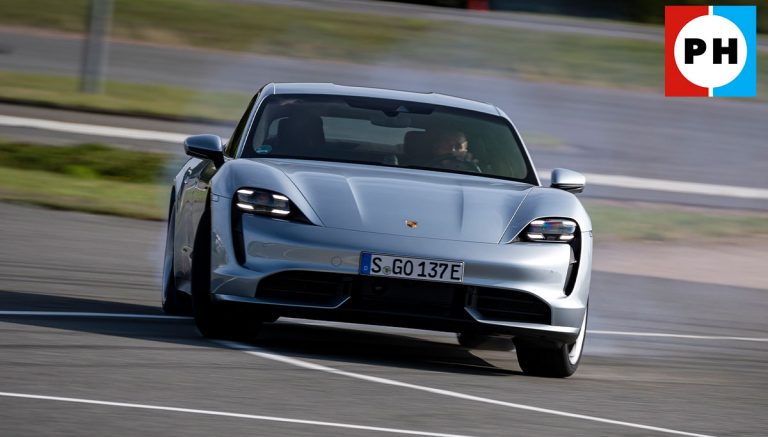
Rule 3: The Taycan dilemma.
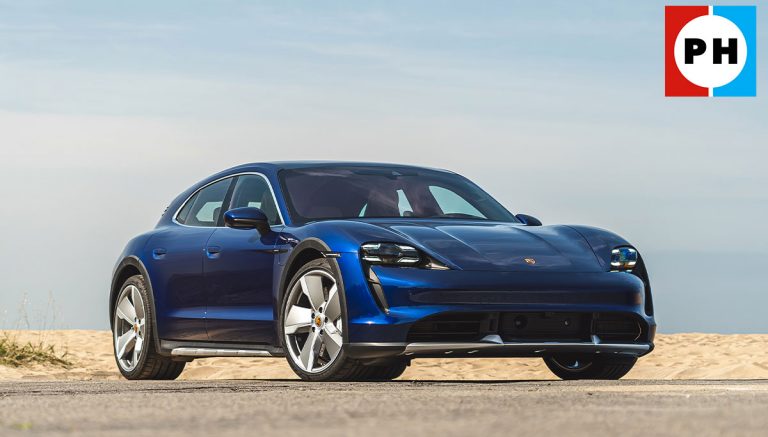
The electric Porsche introduces a philosophical question: is the wave about the badge or the engine? Taycan owners are Porsche owners. They paid Porsche money. They sit in Porsche seats. But there’s no flat six behind them, and for some enthusiasts, the flat six IS the religion. The Taycan wave situation remains… unresolved. Give it another five years.
Rule 4: Air-cooled trumps everything.
If you’re driving a pre-1998 air-cooled 911, you can wave at whoever you want, and they will wave back. This is not a rule anyone wrote down. It’s more like a law of physics. The older the Porsche, the more enthusiastic the response. A 1973 Carrera RS could wave at a city bus and the bus driver would wave back.
Rule 5: Newer owners wave more.
This has been documented in forum surveys, Cars and Coffee observations, and decades of anecdotal evidence. The person who just took delivery waves at everything with a Porsche crest. The person who’s owned one for fifteen years waves selectively. The person who’s on their fourth 911 gives the nod. This is the natural lifecycle of Porsche enthusiasm – the excitement doesn’t diminish, it just becomes more contained.
Rule 6: Geography matters.
In rural areas and smaller cities where Porsches are less common, the wave is alive and well. In Los Angeles, Miami, or parts of Connecticut where 911s outnumber Camrys, waving at every Porsche would give you a repetitive strain injury by lunchtime. Context dictates behaviour.
Research from Porsche forums suggests the wave is most enthusiastically practiced in the Midwest and Southeast United States, moderately practiced in the Northeast, and essentially extinct in Southern California outside of organised events.
Cars and Coffee Etiquette
The Saturday morning Cars and Coffee meet is the physical manifestation of Porsche culture. Every PCA region runs them, and the unwritten rules are just as elaborate as the wave protocol:
Parking hierarchy is real but never spoken aloud. Air-cooled cars gravitate to one area. GT cars cluster together. New Carreras park where there’s space. Nobody directs this – it happens organically, like birds forming a murmuration. If you park your brand new Cayenne between two 1967 S models, nobody will say anything to your face, but someone will mention it on the drive home.
Don’t touch other people’s cars. This seems obvious but needs restating every single weekend. Don’t lean on them. Don’t put your coffee on the roof. Don’t open the door to look inside. Don’t let your belt buckle brush the paint. These cars aren’t just expensive – they represent thousands of hours of care from people who own paint thickness gauges.
Asking about money is poor form. “What did you pay for that?” is the fastest way to end a conversation at a Porsche meet. Enthusiasts will talk for hours about specifications, driving impressions, modification choices, and restoration decisions. The price is between them and their accountant.
Know when to share your opinion. If someone has modified their 911 in a way you find questionable – a widebody kit, an aftermarket wing, a colour you’d never choose – the correct response is to appreciate their passion and keep your critique to yourself. Unless they ask. If they ask, you’re still expected to be diplomatic. The Porsche community is remarkably inclusive of individual expression, as long as the underlying car is respected.
The coffee is secondary. Despite the name, nobody attends Cars and Coffee for the coffee. The coffee is a prop that gives your hands something to do while you discuss whether the 997.2 GT3 is a better driver’s car than the 991.1 GT3. The answer, incidentally, depends entirely on who you ask and will never be resolved.
The Forum Wars
No discussion of Porsche culture is complete without acknowledging the forums. Rennlist, Planet-9, Pelican Parts, 718 Forum, Taycan Forum – these are the digital campfires where Porsche owners have gathered for decades, and certain arguments are eternal:
Manual vs PDK: The most fought battle in Porsche history. Manual purists believe the third pedal is sacred. PDK advocates point to faster lap times and easier daily driving. Porsche themselves have weighed in by making the GT3 available with a manual specifically because customers demanded it – even though the PDK is objectively faster. This argument will outlast us all.
Air-cooled vs water-cooled: The Great Divide of 1997 still generates heat. Air-cooled owners believe something essential was lost when Porsche added a radiator. Water-cooled owners believe nostalgia shouldn’t override engineering progress. Both are right. Neither will admit it.
Sport mode button pressing: There exists a subset of 911 owners who have never pressed the Sport or Sport Plus button because they believe they can manage the chassis better than the computer. There exists another subset who pressed it once and never turned it off. They do not socialise at the same Cars and Coffee events.
The colour debate: Guards Red, Racing Yellow, GT Silver, Miami Blue, Python Green – Porsche offers an extraordinary palette including the Paint to Sample program where you can order virtually any colour. The community is split between those who believe certain colours suit certain models (Guards Red on a 964, for instance) and those who believe any colour works if you own it confidently enough. The one universal agreement: nobody regrets choosing a non-standard colour.
The PCA Experience
If the wave is the handshake, the Porsche Club of America is the community centre. With 149 regions across North America, PCA runs an astonishing variety of events – from casual monthly dinners to full Driver Education programs on professional race circuits.
The Gold Coast Region, for instance, runs regular Cars and Coffee meets, autocross events, DE track days, and social gatherings throughout South Florida. Every region has its own character, but the common thread is accessibility – PCA events welcome every Porsche model, every generation, and every level of experience.
The Driver Education (DE) program deserves special mention. PCA DE events are among the best-organised track experiences available to amateur drivers. Trained instructors ride along with newer drivers, the safety standards are exceptional, and the environment is explicitly non-competitive. It’s education, not racing – though the speeds involved would suggest otherwise.
For anyone considering their first PCA event, the universal advice from members is the same: just show up. Bring your car, bring your enthusiasm, and don’t worry about having the newest or fastest Porsche in the lot. The person in the $250,000 GT2 RS will be just as interested in your base Cayman as you are in their car – because the common denominator isn’t the price tag, it’s the crest on the hood.
The Wave Is Changing, and That’s OK
The Porsche community is bigger than it’s ever been. Porsche delivered over 300,000 cars globally in recent years. The Cayenne and Macan account for the majority of sales. The Taycan is outselling the Panamera. The community that once consisted entirely of sports car enthusiasts now includes families who chose a Macan over a BMW X3 and commuters who wanted a Taycan instead of a Tesla.
This means the wave is less common than it was twenty years ago. Some enthusiasts see this as a loss. But the core community – the people who know why the 993 matters, who attend track days, who maintain their own cars, who wave instinctively when they see a flat-six Porsche on the road – that community is as strong as ever. It just exists alongside a much larger group of Porsche owners who may not know the tradition.
And that’s fine. The wave was never mandatory. It was always a gesture of recognition between people who share something specific – not just a car, but a way of thinking about cars. If you drive a Porsche and you wave at another Porsche and they wave back, you’ve shared a small moment of connection with a stranger. If they don’t wave back, they might be on the phone, or lost in thought, or simply not aware of the tradition.
Or they drive a Cayenne.
Either way, keep waving.